 Karmactive Team
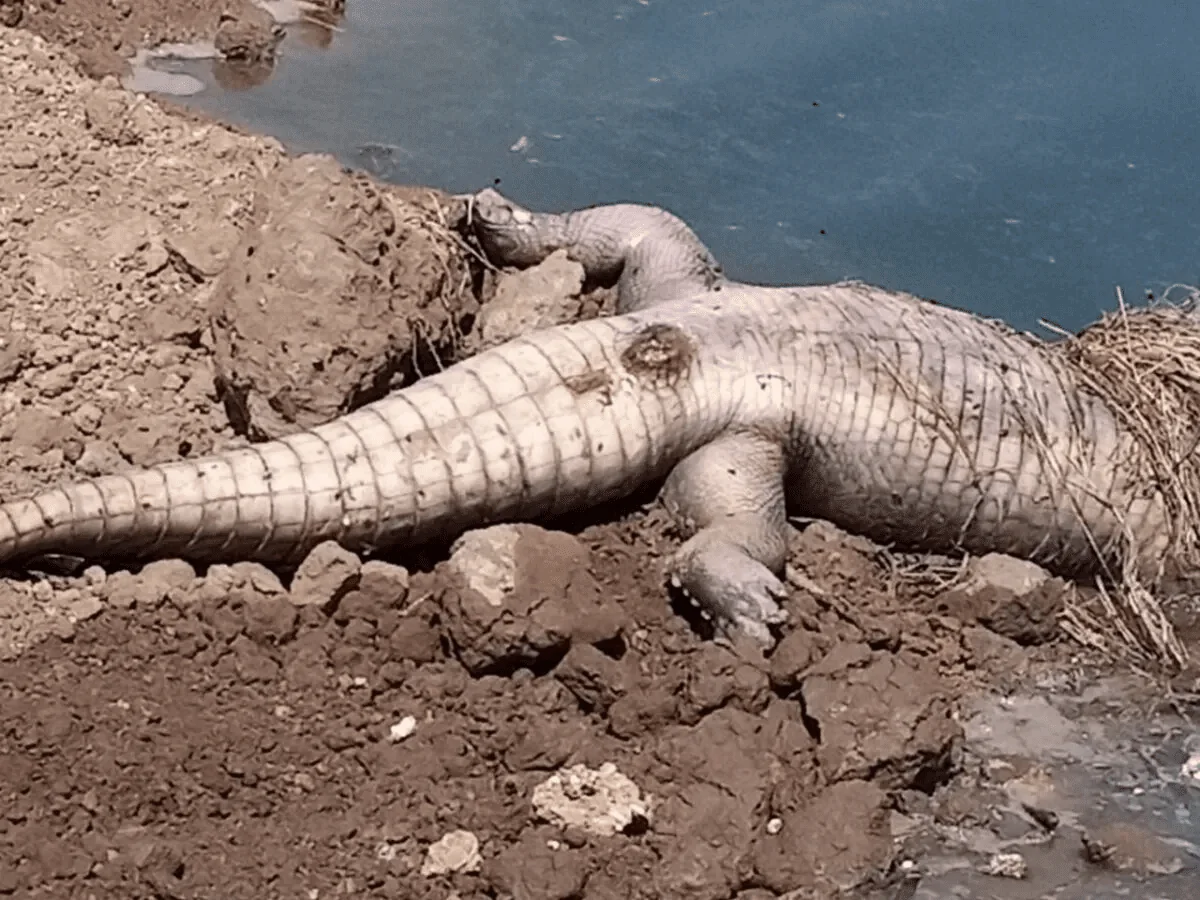
Kota, a town in Rajasthan, is famous for its coaching classes. But recently it was in the news for the death of nearly 50 mugger crocodiles in its KALA Talab. The Urban Improvement Trust (UIT) is coming up with a project in the area. So the pond is being filled with soil & fly ash resulting in the death of not only crocodiles but also other aquatic animals. Activists allege death of the crocodiles was triggered due to the developmental activity at the lake.
The conservationists fear that the pond itself may disappear in no time.The pond is huge, but it is not declared a wetland. So the wetland rules do not apply to it, giving freehand to the UIT authorities. However, the Wildlife (Protection) Act, 1972, is applicable as. It concerns a schedule1 animal. A departmental probe has been demanded by a MLA.
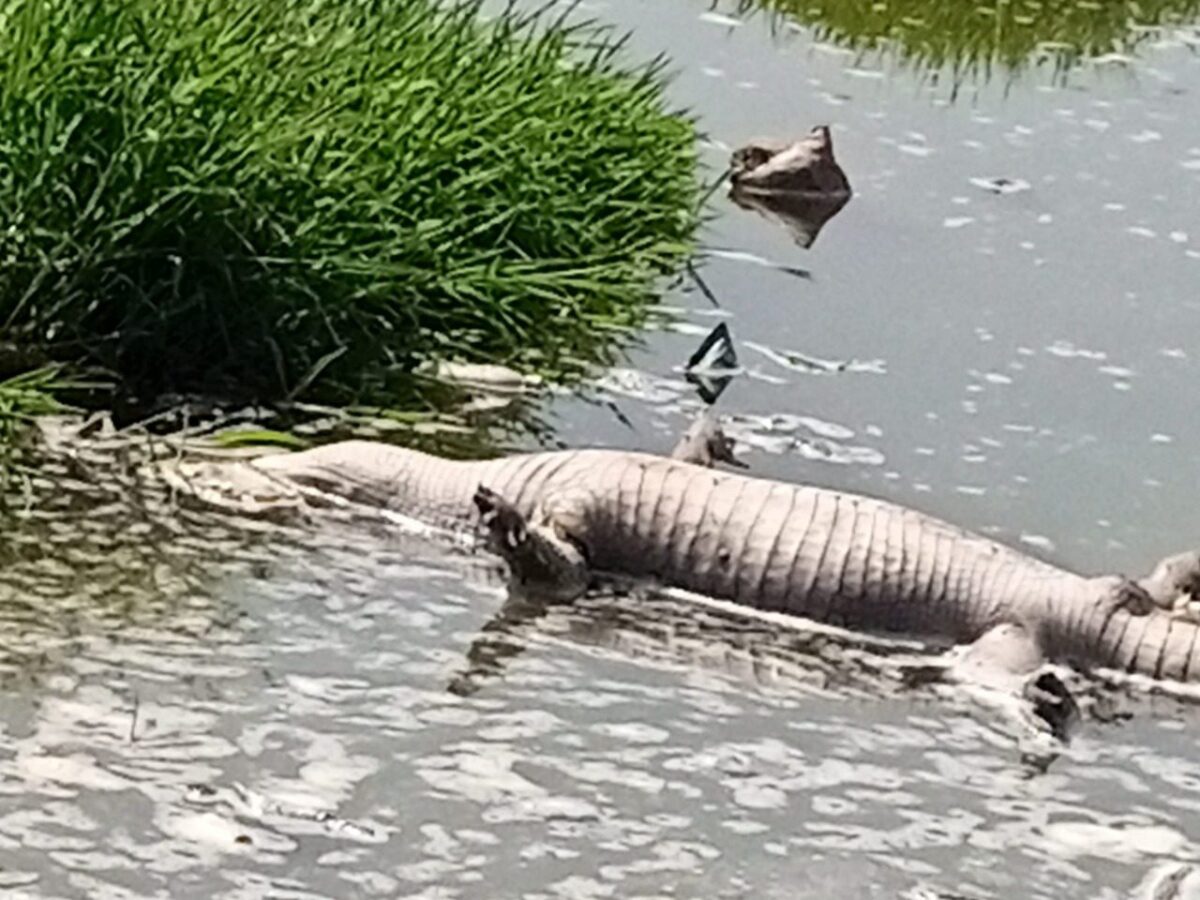
NGT demanded a probe into the incident and had directed the local authorities to look into the matter. A committee made up of officials of urban improvement trust , forest dept & RPCB carried out the probe. As per the committee no evidence suggesting crocodile deaths were found. The NGT bench in Delhi was informed the same as the UIT officials defending their project elaborate their plan to accommodate the housing colony around the lake.
The deaths of nearly 50 mugger crocodiles at Kota’s Kala Talab in Rajasthan represent a significant wildlife crisis that highlights broader environmental challenges facing freshwater ecosystems in India. Mugger crocodiles, native to the Indian subcontinent, depend on clean water sources and healthy riparian habitats for survival, making them indicator species whose population dynamics reflect overall ecosystem health and water quality conditions across their range including rivers, lakes, and wetlands where they have persisted for millions of years despite habitat pressures from human activities and unregulated tourism development that fragments their natural habitat and reduces breeding site availability for future generations of these ancient reptiles.
Water pollution from industrial discharge, agricultural runoff containing pesticides and fertilizers, and untreated sewage discharge has severely degraded the quality of freshwater bodies across Rajasthan, particularly affecting seasonal wetlands where crocodiles nest and raise their young in sandy banks that require stable water levels and minimal human disturbance during critical breeding periods from March through June when females guard their nests against predators and maintain optimal incubation temperatures through careful nest site selection and vegetation management that ensures successful hatching of crocodile eggs and recruitment of juvenile cohorts into local populations across the arid landscape of western India.
Conservation efforts for mugger crocodiles include habitat restoration programs, community awareness initiatives, and legal protection under the Wildlife Protection Act, which classifies these reptiles as endangered species requiring stringent conservation measures through habitat management plans that involve local communities in monitoring breeding sites, reducing human-crocodile conflict through early warning systems, and supporting eco-tourism initiatives that provide economic incentives for wetland protection and sustainable water use practices that benefit both wildlife and human populations dependent on these freshwater ecosystems.
Successful breeding programs in captivity support wild population recovery, though habitat quality improvements remain essential for long-term viability of wild populations that require connected networks of wetlands and rivers for genetic exchange and natural recolonization of historically occupied sites across northern India where local extinctions have occurred due to habitat loss and pollution pressures from unregulated industrial development and urban expansion that fragments critical habitats and reduces available nesting areas for future generations of these keystone species that play vital roles in maintaining healthy freshwater ecosystem function through predator-prey dynamics and nutrient cycling processes.
See related: crocodile conservation.
See related: wildlife conservation.