 Karmactive Team
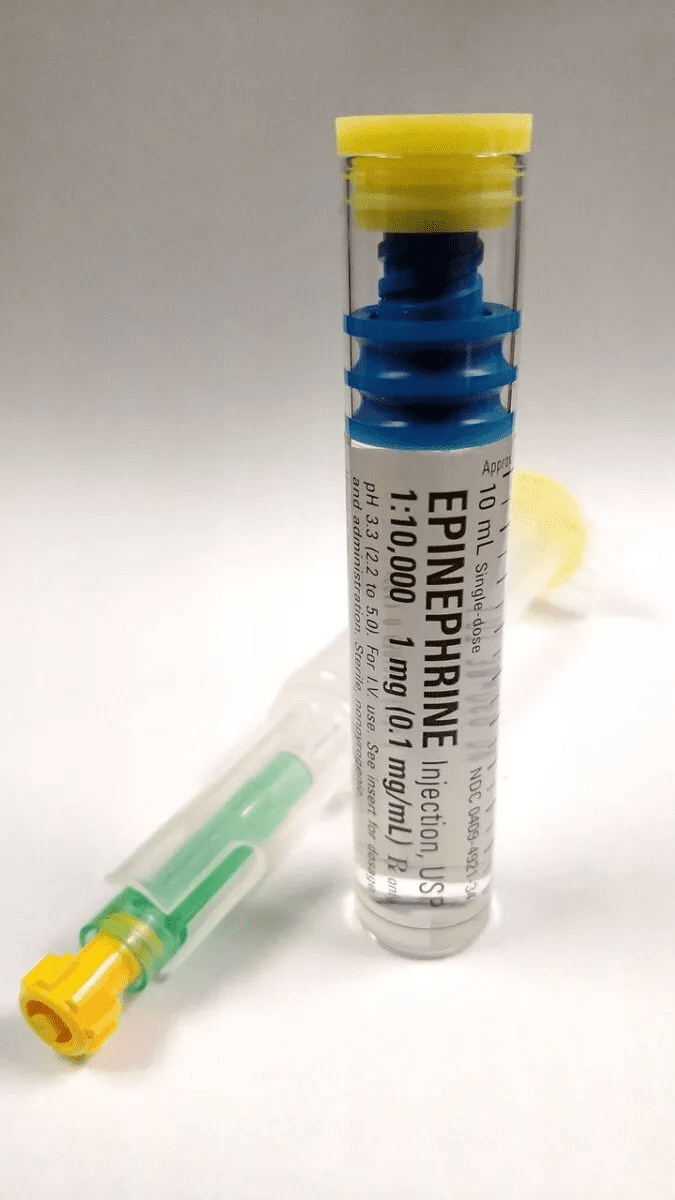
Elementary school students have found that EpiPens can turn poisonous in space due to the effects of cosmic radiation during space travel. The students collaborated with researchers from the University of Ottawa to investigate whether the devices could be safely used in space.
The epinephrine in the EpiPens broke down due to relatively small amounts of space radiation, instead of being a lifesaver, it acts like a health hazard. This discovery was previously unknown to NASA and could have long term effects on how we treat allergic reactions in space.
St. Brother André Elementary School’s Program for Gifted Learners (PGL) got samples of epinephrine launched into space as part of NASA’s Cubes in Space program. The University of Ottawa’s Faculty of Science analyzed the returned samples and discovered that the epinephrine was only 87 percent pure due to cosmic radiation. The remaining 13 percent was converted into benzoic acid derivatives, which are highly poisonous.
The experiment brings up questions about the efficacy of EpiPens in outer space journeys. This result is now being addressed by the kids in the PGL program, where they research ahead and could lead to new inventions that save lives in space.
Fortunately, for now, there might be a way to package EpiPen solutions to avoid their exposure to cosmic radiation. The discovery stresses the need for continued research into the effects of space radiation on all medical equipment.
The students’ work has made an important contribution to avoiding space health breakdowns and bringing attention to the challenges of space travel and the need for research & innovative solutions to keep astronauts safe.
- 101 Dead in Spain, 62,000 Across Europe in 2024: WHO Urged to Declare Climate Change a Health Emergency
- All-Perovskite Solar Hits 30.3% Certified — Zero Silicon, 28% Flexible, and 92% Stable After 1,000 Hours
- EU Bans Burning Unsold Clothes From July 2026 — 80% of Discarded Fashion Still Hits Landfills or Incinerators
- EU’s Digital Product Passport Registry Goes Live July 19 — 53% of Green Claims Won’t Pass the New QR Code Test
- Wear Your Strength on Your Sleeve: The Rise of Statement Watches for Women