 Rahul Somvanshi
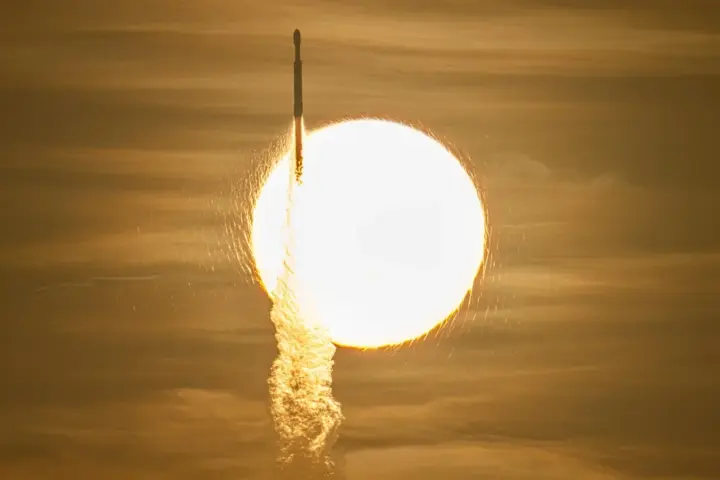
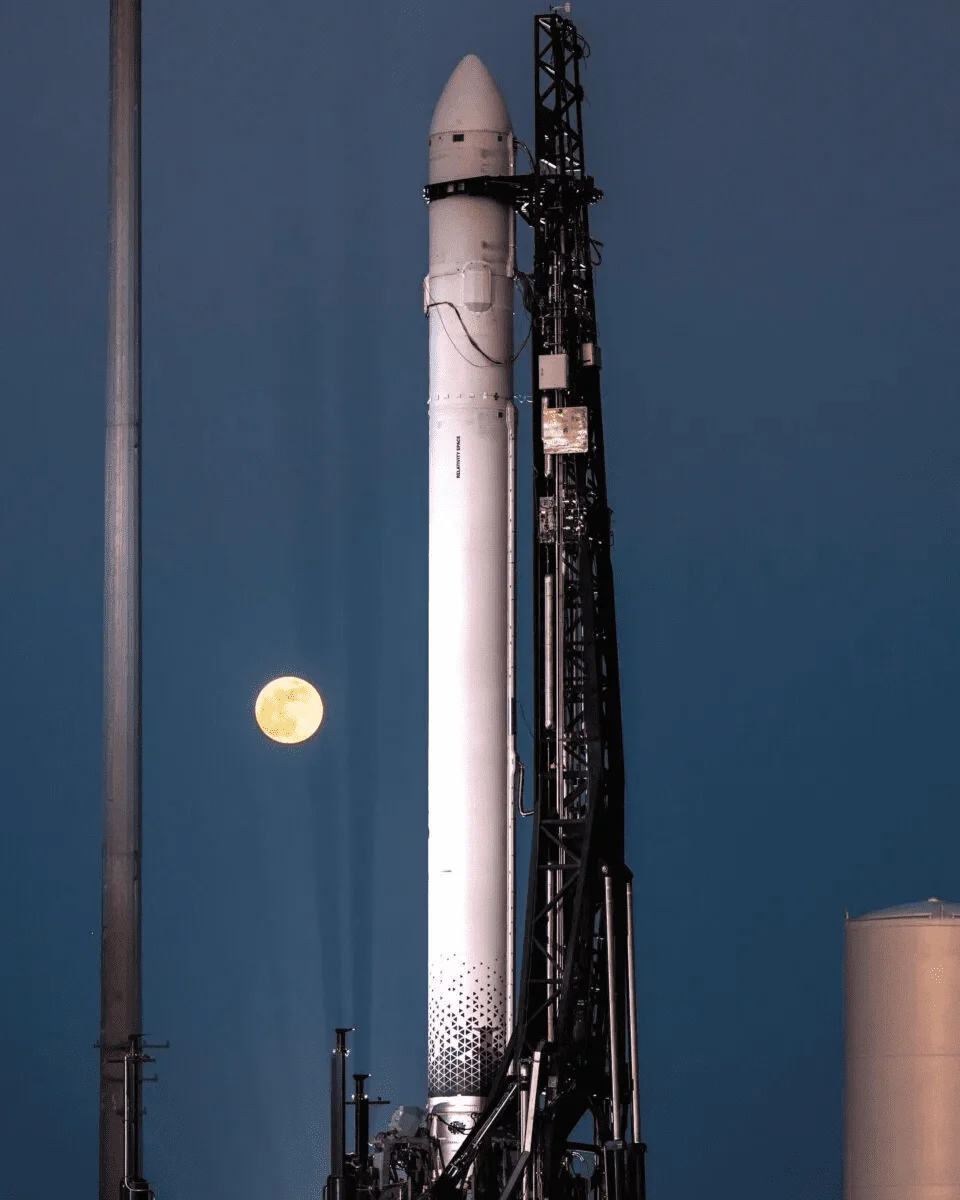
Relativity Space has delayed the launch of its “Good Luck, Have Fun,” 3D-printed Terran 1 rocket, from LC-16. The launchpad is situated at the U.S. Space Force’s facility in Cape Canaveral, Florida. The rocket launch was scheduled on March 9, 2023, with the goal to successfully reach orbit. But, eventually, the launch director called it a “scrub” for the attempt, signaling postponement to a later day. Relativity Space emphasizes building rockets from raw materials in as little as 60 days by using robotics that reduce parts, design reliability, launch cost, and assembly time. Terran 1 is completely built from 3D-printed components, 85% of the rocket, including the structure, engines, and engine structure, was created by a 3D printer. The rocket’s design enables it to carry about 1,250 kilograms to low Earth orbit at a cost of $12 million per launch.
Relativity Space is among a handful of US rocket start-ups that are competing for the growing demand of cheap launch services. SpaceX, OneWeb, and Jeff Bezos’s Amazon are companies that are aiming to deploy tens of thousands of internet-beaming satellites to low Earth orbit in the next few years. The company’s claims that its approach will make building orbital-class rockets faster than traditional ways and with thousands of fewer parts. Additionally enabling changes to be made via softwares. OneWeb will be launching its next-generation satellites on Relativity Space’s Terran R that is expected to fly in 2024.
- AICPI-IW Hit 154.4 in August — But That’s Not the DA Central Employees Are Waiting For. Here’s Which Number Actually Matters
- $45,900, 572 km Range: Tesla’s New Base Model 3 Is Now Australia’s Cheapest Electric Sedan by $4,090
- 17% Less Rain, 235 Mandals at Risk: Telangana Goes to Delhi for Drought Relief — and El Niño Takes the Blame
- Fingerprint Failing at the Ration Shop? Aadhaar Face Authentication Is Now Live in Some States — No New Enrolment Needed
- Two Tax Rule Changes in 60 Days: Surcharges Gone October 1, Credit Cards Gone November 30 — What Replaces Them
Relativity Space’s Terran 1 is 110 feet high, and is set up with nine engines powering the lower first stage, and one engine powering the upper second stage. Its Aeon engines are also 3D-printed and are powered by liquid oxygen and liquid natural gas as its two fuel types. If successful, the launch will have significant effects on the industry as Relativity Space’s innovative approach can disrupt the space market with its lower costs.